Nautilus - Flight Dynamics and Spacecraft Autonomy
nautilus nautilus nautilus nautilus nautilus nautilus nautilus nautilus

0

Loading ...

What we do

One team for the whole attitude chain.

Attitude determination and control sits at the heart of every mission. We cover it end to end, ensuring that algorithms, hardware and verification are designed together rather than integrated as separate elements.

ADCS subsystem design

We engineer the full ADCS subsystem at hardware level: sensor suite, actuators and system architecture, sized to your mission's requirements.

Onboard algorithms and ADCS flight software

We design complex onboard ADCS algorithms and develop the flight code that runs them, from attitude determination to control and pointing modes.

ADCS testing and verification

With CubeDynA, our proprietary hardware-in-the-loop ADCS testbed, customers can verify closed-loop subsystem performance before their satellite ever reaches orbit.

CubeDynA

Test how your satellite behaves, on the ground.

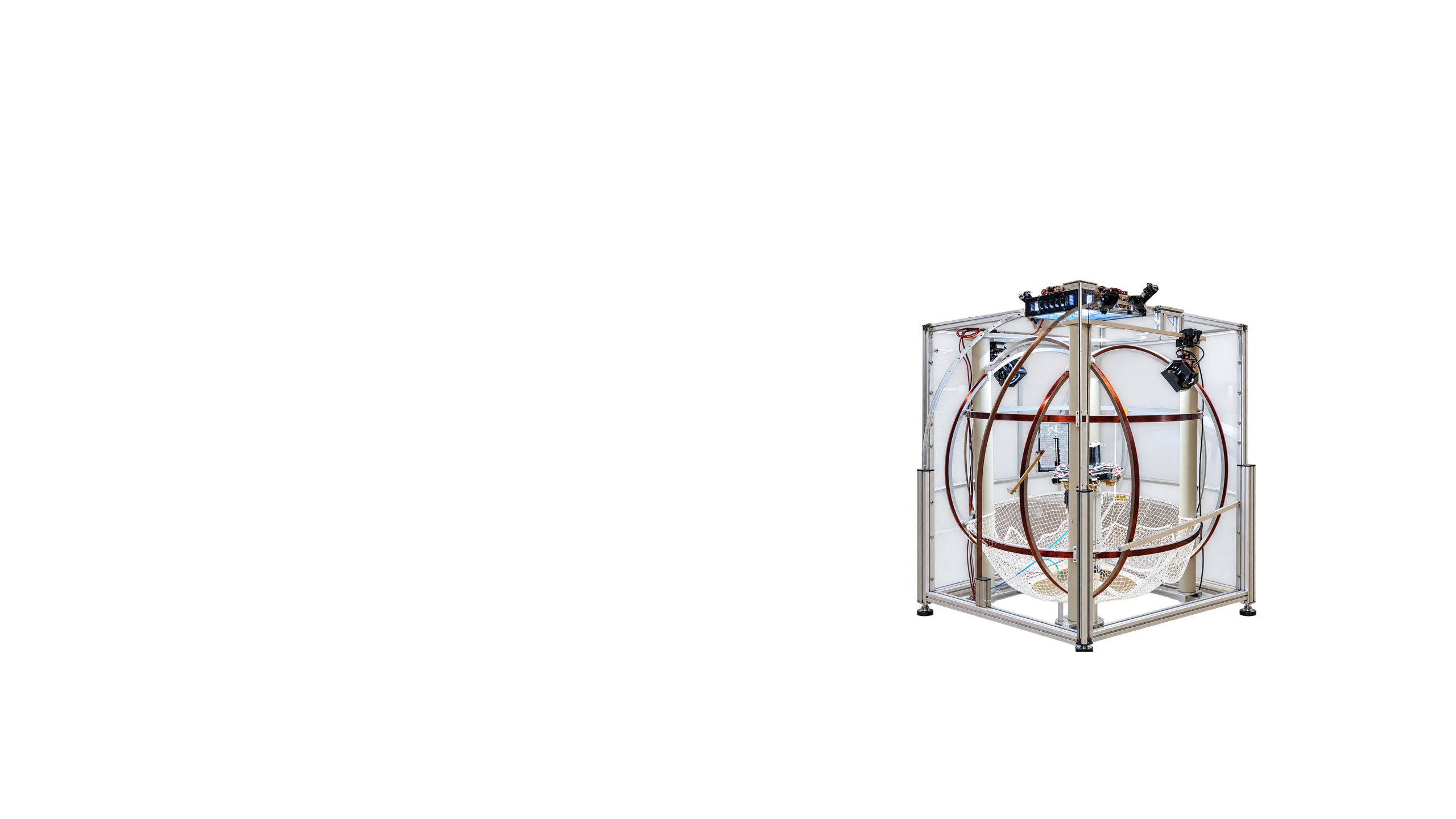
CubeDynA is Nautilus' hardware-in-the-loop ADCS testbed for 1U–16U CubeSats, available as a dedicated platform for your own verification campaigns.
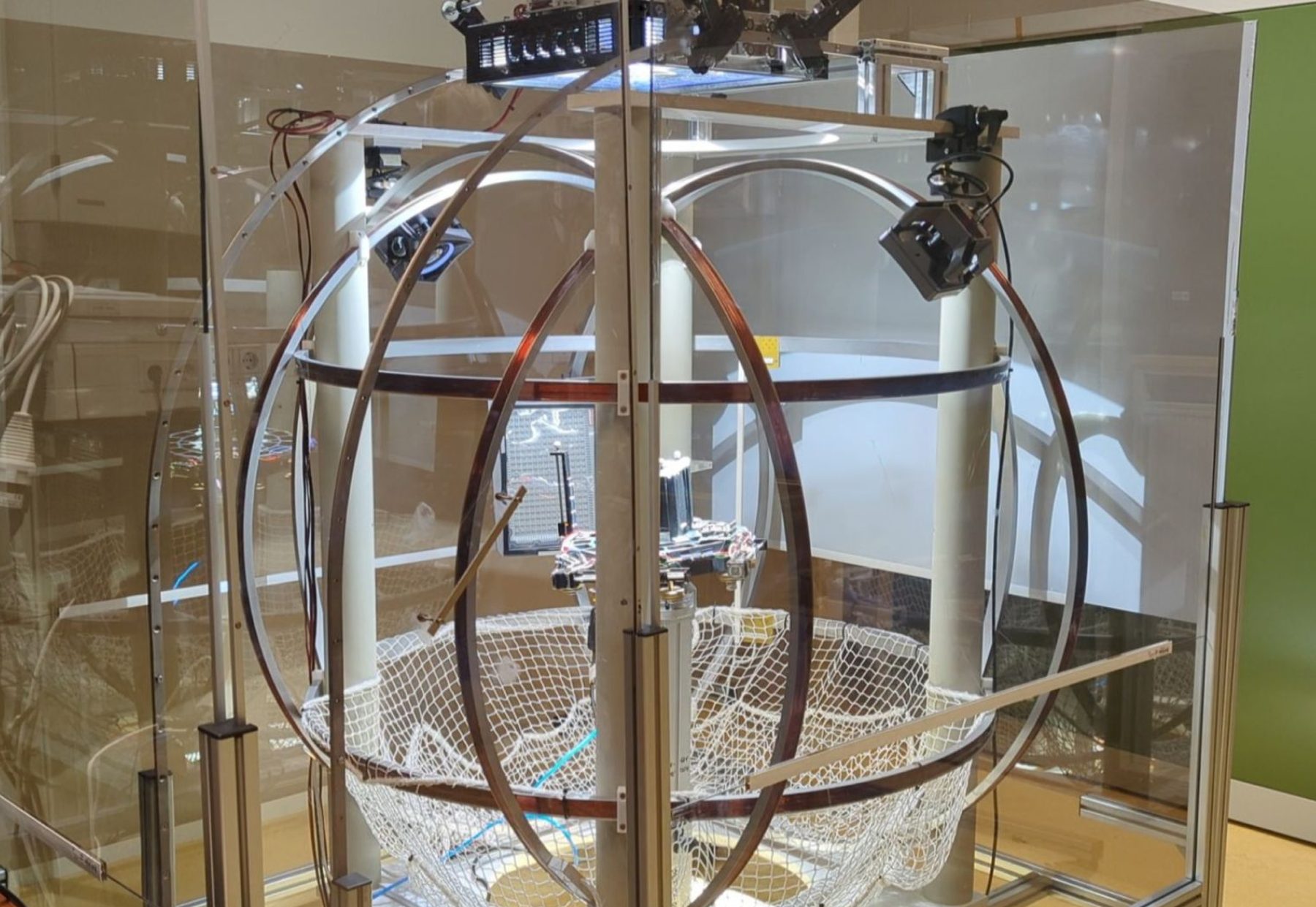
CubeDynA hardware-in-the-loop ADCS testbed: Helmholtz coil cage around a CubeSat on an air-bearing platform
CubeDynA
  • Closed-loop, hardware-in-the-loop verification

    Exercise flight software, sensors and actuators together in closed loop, reproducing representative mission scenarios and validating subsystem behaviour before flight.

  • From 1U to 16U

    Designed to support CubeSat platforms from 1U up to 16U.

  • A complete ADCS verification solution

    CubeDynA can be provided as a dedicated verification platform for ADCS development, integration and validation activities, whether supporting Nautilus-designed subsystems or customer-developed architectures.

Why Nautilus

Attitude control designed by flight dynamics experts.

Rooted in decades of academic research and hands-on engineering, we design each ADCS around its spacecraft and its operations, including the most demanding cases:

  • Unconventional spacecraft geometries
  • Demanding pointing requirements
  • Complex attitude determination
  • Unusual operational scenarios
How we engage

Work with us the way you need

Full ADCS subsystem

End-to-end ADCS design, including algorithms, flight software, hardware architecture and subsystem integration, supported by closed-loop and hardware-in-the-loop verification using CubeDynA.

  • Algorithms
  • Flight software
  • Hardware
  • Verification

Algorithms and software

Onboard ADCS algorithms and flight software, designed to integrate with your existing spacecraft hardware and avionics.

  • Algorithms
  • Flight software
  • Hardware
  • Verification

Verification platform

CubeDynA as a dedicated hardware-in-the-loop platform for developing and validating your ADCS architecture, software and hardware integration.

  • Algorithms
  • Flight software
  • Hardware
  • Verification

Have an ADCS challenge or a test campaign in mind?

window.addEventListener("scroll", function(){ if(window.scrollY>200){ $(".nav-item span").css("color","#000"); $(".sub-i a span").css("color","#000"); $("#site_menu_header").css({"background-color":"rgba(255, 255, 255, 0.4","-webkit-backdrop-filter":"blur(8px)","backdrop-filter":"blur(8px)"}); $(".custom-logo").attr("src","assets/img/logo.png?1"); }else{ $(".nav-item span").css("color","#fff"); $(".sub-i a span").css("color","#000"); $("#site_menu_header").css({"background-color":"transparent","-webkit-backdrop-filter":"none","backdrop-filter":"none"}); //$(".custom-logo").attr("src","assets/img/logo-horizontal-white.png?1"); $(".custom-logo").attr("src","assets/img/logo-horizontal-white.png?1"); } }); $(".nav-item span").css("color","#fff"); $(".sub-i a span").css("color","#000"); $(".nav-item span.white").css("color","#fff"); $("#site_menu_header").css({"background-color":"rgba(255, 255, 255, 0.4","-webkit-backdrop-filter":"blur(8px)","backdrop-filter":"blur(8px)"}); $(".custom-logo").attr("src","assets/img/logo-horizontal-white.png?1"); contentPageInit(_service);